
Recognizing Early Concussion Symptoms: Identifying Subtle Signs in Burnaby
March 30, 2026
Listening to Your Body: Identifying Early Injury Signs in Burnaby Athletes
April 30, 2026
TL;DR
Dry needling is a precise technique that targets muscle knots (trigger points) to reduce stiffness and improve range of motion gradually. When combined with personalized physiotherapy, it helps exercise enthusiasts and active individuals overcome persistent muscle tension that limits movement, allowing them to return to their favorite activities with improved comfort and mobility.
────────────────────────────────────────────────────────
If you’ve ever felt like you’re fighting against your own muscles during exercise, you’re not experiencing something unusual. Chronic muscle knots create mechanical roadblocks that make simple movements feel stiff, uncomfortable, or downright impossible. That familiar sensation of being “locked up” during your favorite workout isn’t just frustrating. It’s your body signaling that persistent trigger points are limiting your range of motion and preventing you from moving with the freedom you once enjoyed.
I want to walk you through how dry needling, paired with personalized physiotherapy approaches, creates a pathway for gradual improvement in muscle stiffness and movement freedom. This isn’t about quick fixes or temporary relief. It’s about understanding how targeted treatment helps restore your connection with movement and builds lasting resilience in your muscles and joints.
Throughout this discussion, you’ll learn how dry needling works to address the root causes of muscle knot stiffness, what you should expect from treatment, and how this approach fits into a comprehensive plan for getting back to the activities you love with confidence and ease.
How Do Chronic Muscle Knots Affect Your Range of Motion?
Muscle knots, clinically known as myofascial trigger points, are areas of muscle tissue that remain contracted and tight even when you’re at rest. Research shows that these trigger points directly affect muscle function and joint range of motion, creating a cascade of movement limitations that extend far beyond the original tight spot.
When muscle knots persist, they create what I call mechanical roadblocks in your movement patterns. Your muscles need to lengthen and contract smoothly for proper joint motion, but trigger points act like anchored points that resist this natural stretching. The result is a shortened muscle that pulls on surrounding tissues and limits how far you move in certain directions.
For exercise enthusiasts, this translates into real-world limitations. Your shoulder might not reach full overhead extension during a press movement. Your hip might feel restricted during squats or lunges. These aren’t just minor inconveniences. They force your body to develop compensatory movement patterns that often lead to additional tension and discomfort in other areas.
The Ripple Effect of Muscle Stiffness
Chronic muscle knots don’t exist in isolation. When one muscle group becomes persistently tight, neighboring muscles must work harder to compensate. This creates a ripple effect throughout your movement system. Your nervous system also responds to chronic muscle tension by increasing overall muscle tone, making your entire body feel stiffer and less responsive during exercise.
Understanding this interconnected nature of muscle stiffness helps explain why isolated stretching or massage often provides only temporary relief. The trigger points themselves need to be addressed to break the cycle of tension and restore normal muscle function.
What Is Dry Needling and How Does It Target Muscle Knots?
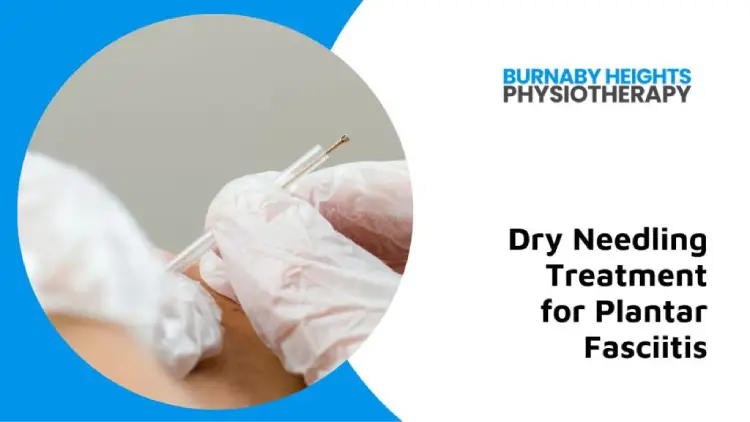
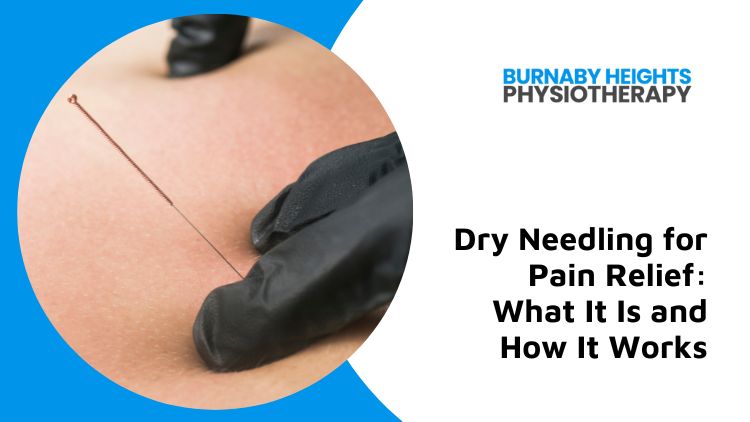
Dry needling is a precise therapeutic technique that uses thin, solid needles to target specific trigger points within muscles. Unlike acupuncture, which follows traditional meridian points, dry needling focuses on anatomical locations where muscle knots have formed and are causing dysfunction.
The process works through several mechanisms that help reduce muscle stiffness and improve range of motion. When a needle is inserted into a trigger point, it creates a controlled microtrauma that stimulates your body’s natural healing response. Studies demonstrate that this stimulation helps normalize muscle tone and reduces the biochemical irritants that keep muscles in a contracted state.
The needle placement also creates what we call a local twitch response, which is a brief, involuntary contraction of the muscle fibers. This response indicates that we’ve successfully targeted the trigger point and initiated the release process. Following this initial response, the muscle begins to relax and lengthen, allowing for improved blood flow and reduced tension.
Precision in Treatment Approach
Effective dry needling requires precise anatomical knowledge and careful assessment of your specific movement limitations. During treatment, we identify the exact location of trigger points through palpation and movement testing. This targeted approach ensures that we address the specific muscles contributing to your range of motion restrictions rather than using a generalized treatment method.
The gradual nature of improvement with dry needling aligns with how your nervous system adapts to changes in muscle tone. Rather than forcing immediate change, the technique allows your muscles to progressively return to normal function while your movement patterns slowly reorganize around this improved flexibility.
How Does Physiotherapy Enhance Dry Needling Results?
Dry needling creates the opportunity for improved muscle function, but physiotherapy provides the structure and guidance needed to build lasting improvements in range of motion. Research supports the combination of manual therapy techniques with dry needling for optimizing treatment outcomes and supporting long-term muscle health.
After dry needling releases muscle tension, your muscles need specific exercises and movements to maintain their newfound length and flexibility. This is where personalized exercise programs become essential. We design targeted stretching routines, strengthening exercises, and movement retraining activities that reinforce the improvements gained through needling sessions.
The assessment component of physiotherapy also plays a critical role in treatment success. We examine your movement patterns, identify contributing factors to muscle stiffness, and address any biomechanical issues that might be perpetuating trigger point formation. This comprehensive approach helps prevent the return of muscle knots while building resilience in your movement system.
Building Movement Confidence
One of the most valuable aspects of combining dry needling with physiotherapy is the gradual rebuilding of movement confidence. When you’ve been dealing with chronic stiffness, you often develop protective movement patterns that limit your willingness to move freely. Through guided exercises and progressive movement challenges, we help you reconnect with your body’s capabilities and restore trust in your muscles and joints.
This collaborative approach ensures that improvements in range of motion translate into real-world functional gains. Whether you’re returning to weightlifting, running, or recreational sports, the combination of dry needling and physiotherapy prepares your body for the demands of your chosen activities.
What Benefits Does Dry Needling Offer Exercise Enthusiasts?
For active individuals dealing with muscle stiffness, dry needling offers specific advantages that align with the demands of exercise and sport. The technique addresses the mechanical limitations that prevent you from achieving full range of motion during workouts, allowing you to perform movements with greater ease and efficiency.
One significant benefit is the reduction of compensatory movement patterns. When chronic muscle knots limit normal movement, your body develops alternative ways to complete exercises that often place stress on other muscles and joints. By releasing these restrictions, dry needling helps restore normal movement mechanics and reduces the risk of developing secondary issues from compensation.
The treatment also supports recovery between exercise sessions. Persistent muscle tension can impair blood flow and limit your muscles’ ability to repair and adapt after workouts. As dry needling improves circulation and reduces muscle tone, it creates better conditions for recovery and adaptation to training.
Supporting Long-Term Athletic Performance
Rather than focusing on quick performance gains, dry needling supports the foundational aspects of movement that contribute to long-term athletic success. Improved range of motion allows for better exercise technique, which translates into more effective training and reduced injury risk over time.
The approach also complements other aspects of your training and recovery routine. When combined with proper warm-up, stretching, and strength training, dry needling becomes part of a comprehensive approach to maintaining muscle health and movement quality throughout your athletic pursuits.
What Should You Expect During Dry Needling Treatment?
Your first dry needling session begins with a comprehensive assessment of your movement limitations and muscle stiffness patterns. We examine your range of motion, identify trigger points through palpation, and discuss how your symptoms affect your daily activities and exercise routine. This initial evaluation helps us develop a targeted treatment plan that addresses your specific needs.
During the needling process, you’ll experience various sensations that indicate the technique is working effectively. The initial needle insertion typically feels like a brief pinprick, followed by deeper sensations as we reach the trigger point. The local twitch response creates a momentary cramping or jumping sensation that quickly subsides as the muscle begins to relax.
Most people find the treatment comfortable, especially as they understand what to expect and how each sensation relates to the release of muscle tension. We maintain open communication throughout the session, ensuring you feel informed and comfortable with each step of the process.
Progressive Treatment Approach
Dry needling sessions are typically spaced to allow your muscles time to adapt to the changes and integrate improvements in range of motion. Initial treatments focus on releasing the most restrictive trigger points, while subsequent sessions address secondary areas of tension and work to maintain the gains achieved.
Between sessions, we provide specific exercises and movement recommendations that support the improvements gained through dry needling. This homework component is essential for building lasting changes in muscle function and preventing the reformation of trigger points.
Progress tracking involves regular reassessment of your range of motion, symptom levels, and functional improvements. This ongoing evaluation allows us to adjust the treatment approach as needed and celebrate the gradual improvements in your movement freedom and exercise comfort.
Key Takeaways
• Chronic muscle knots create mechanical roadblocks that limit range of motion and affect exercise performance by preventing muscles from lengthening and contracting normally.
• Dry needling targets specific trigger points to reduce muscle stiffness through controlled stimulation that normalizes muscle tone and improves circulation.
• Combining dry needling with personalized physiotherapy provides both immediate muscle release and long-term movement education to maintain improvements.
• The technique offers exercise enthusiasts the opportunity to restore normal movement patterns, reduce compensatory movements, and support better recovery between training sessions.
• Treatment progress occurs gradually, allowing your nervous system and muscles to adapt to changes while building lasting improvements in movement quality and range of motion.
• Successful outcomes depend on comprehensive assessment, targeted needle placement, and ongoing support through exercise and movement retraining.
Ready to Address Your Muscle Stiffness and Improve Your Movement Freedom?
If chronic muscle knots are limiting your range of motion and affecting your ability to enjoy exercise and movement, dry needling combined with personalized physiotherapy offers a path toward lasting improvement. At Burnaby Heights Physio, we take a collaborative approach to addressing muscle stiffness, focusing on your individual needs and movement goals.
Our comprehensive assessment process helps identify the specific trigger points and movement limitations that are holding you back from your favorite activities. Through targeted dry needling treatments and personalized exercise programs, we work together to restore your movement confidence and build lasting resilience in your muscles and joints.
Don’t let persistent muscle stiffness continue to limit your exercise enjoyment and daily activities. Contact us to schedule a thorough assessment and learn how dry needling and physiotherapy work together to support your journey back to comfortable, confident movement.
Frequently Asked Questions
What does dry needling feel like and is it painful?
Dry needling produces various sensations that most people find manageable and even reassuring once they understand what’s happening. The initial needle insertion feels similar to a small pinprick, while reaching the trigger point creates deeper sensations including cramping, aching, or a twitch response that indicates successful treatment of the muscle knot.
How many dry needling sessions might be needed to see improvements in stiffness?
Most people notice some improvement in muscle stiffness and range of motion within 1-3 sessions, but lasting changes typically develop over 4-8 treatments depending on the chronicity of your muscle knots and your individual response to treatment. Your progress depends on factors like how long you’ve had the stiffness, your activity level, and your commitment to the exercises we prescribe between sessions.
Is it safe to combine dry needling with other physiotherapy treatments?
Dry needling integrates safely and effectively with other physiotherapy treatments including manual therapy, exercise prescription, and movement retraining. We coordinate all aspects of your treatment to ensure they complement each other and support your overall goals for improved range of motion and muscle function.