


Is Acupuncture Good for Back Pain? A Balanced Guide for Patients
September 30, 2026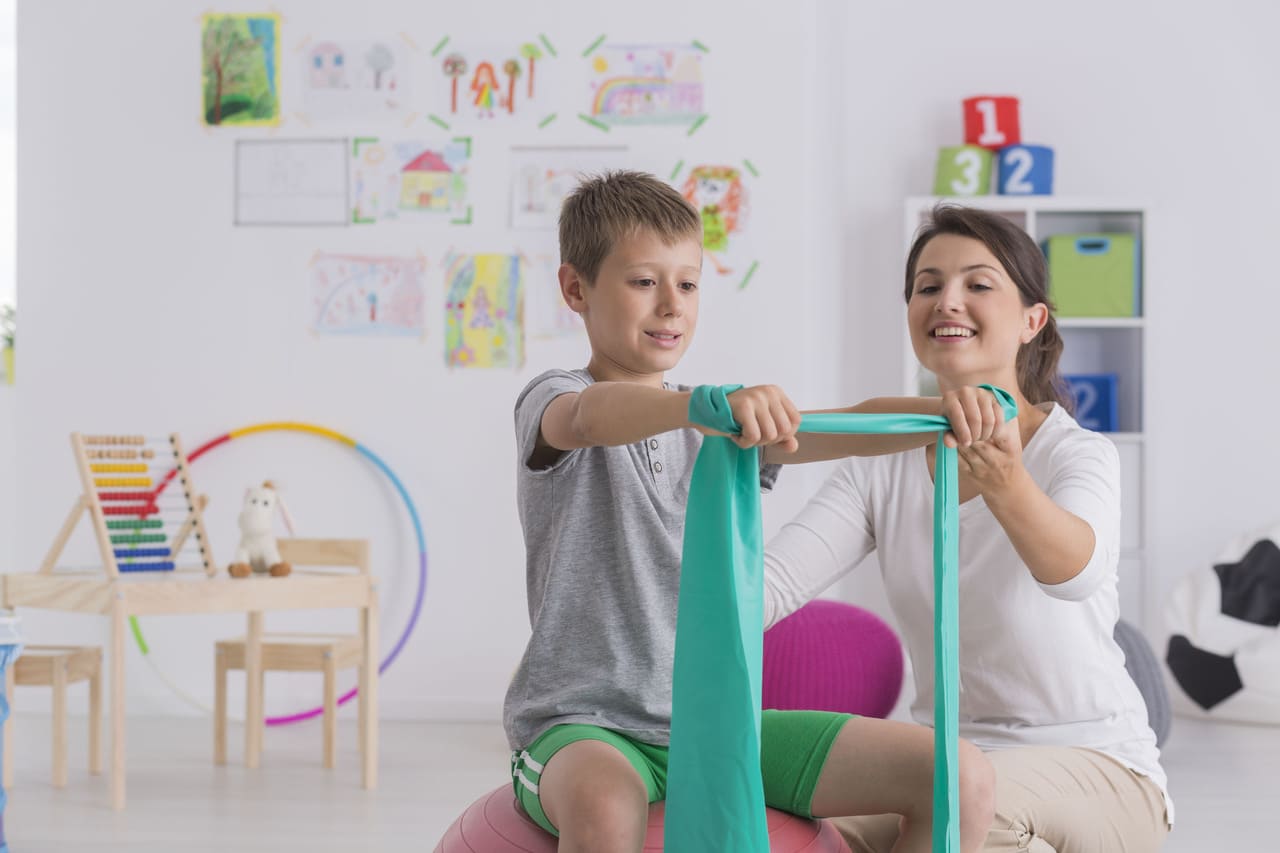
TLDR
General summer activity does not automatically prepare a child’s body for the specific demands of structured sport. Starting gradual conditioning, dynamic warm ups, and a basic pre-season check two to four weeks before tryouts gives young athletes a much stronger foundation for a full, healthy season. If pain changes how your child moves or keeps returning after rest, a physiotherapy assessment can identify what needs attention before it becomes a bigger problem.
Your child has been moving all summer. Biking, swimming, playing in the backyard, maybe attending a few drop-in sessions. They seem energetic and ready. So when tryouts arrive, it feels reasonable to let them jump straight in.
Then week two hits. There is a limp after practice. Heel pain in the morning. A sore knee that was not there last week. The season is barely started, and suddenly you are wondering what went wrong.
This is one of the most common patterns seen at the start of fall sports seasons. Kids are resilient, but resilience builds faster when the body is prepared gradually for what sport actually demands. This guide walks you through what preparation looks like in practical terms: pre-season checks, how to build activity back up, warm up exercises that work, warning signs to take seriously, and when physiotherapy fits into the picture.
Is “My Kid Is Already Active” the Same as Being Sport-Ready?
General activity and sport-specific readiness are not the same thing, and the gap between them is where many early-season injuries occur. Running freely at a park uses different movement patterns than repeated cutting and sprinting on a soccer field. Swimming builds aerobic fitness, but it does not train the legs for basketball landings or the knees for quick direction changes on a hard court.
When a child moves from a relaxed summer to structured tryouts, the body faces a sudden increase in load. Growing bones, tendons, and muscles need time to adapt to repeated practice days, new movement patterns, and higher intensity. This is especially relevant during growth spurts, when bone and soft tissue are developing at different rates.
Knowing how to prepare kids for sports season is not about training children like adult athletes. It is about giving their bodies a few weeks to adjust before the season asks everything of them at once.
What Should Be on Your Pre-Season Checklist?
Starting preparation two to four weeks before tryouts gives your child a reasonable runway, even if the off-season was fairly quiet. You do not need a rigid program. You need a few key areas covered.
Administrative and Equipment Checks
- Check whether the school, club, or league requires a pre-season physical for young athletes. Some organizations require medical clearance before participation.
- Confirm that footwear fits properly and is appropriate for the sport surface. Worn-out shoes are a common and overlooked contributor to foot, ankle, and knee problems.
- Review sport-specific gear: helmets, shin pads, mouthguards, braces. Poorly fitted equipment increases both injury risk and discomfort.
A Conversation With Your Child
- Ask specifically what feels tight, sore, or different. Children often adapt around discomfort without mentioning it until it becomes significant.
- Think back to any injuries, strains, or complaints from the previous season or during the summer. Growth spurts, a change in footwear, or a quieter-than-usual off-season are all worth noting.
- Consider sleep, stress, and general energy. These factors influence how well the body responds to increased training loads.
A Movement Assessment With a Physiotherapist
A medical pre-season physical and a physiotherapy movement assessment serve different purposes. A physician clears a child medically. A physiotherapist looks at how the child actually moves: strength, mobility, balance, landing mechanics, running form, and sport-specific patterns. Together, they give a fuller picture of readiness. A physiotherapy visit before the season starts is proactive, not reactive.
How Should You Build Activity Back Up Gradually?
The body adapts well to increasing demands when those demands increase step by step. A sudden spike in training volume is one of the most consistent contributors to early-season injuries in youth athletes.
| Week | Focus | Examples |
| Week 1 | Light conditioning and mobility | Easy jogs, stretching, basic skill work, low-intensity movement |
| Week 2 | Moderate load and sport movement | Running drills, agility work, sport-specific skills, introductory strength |
| Week 3 and beyond | Higher intensity and practice simulation | Full drills, scrimmages, practice-level effort with recovery days built in |
One area parents sometimes overlook is total activity across all sources. Club practice, school gym class, personal training, and backyard play all count toward weekly load. A child attending three team practices, a private lesson, and playing pickup games on weekends in the same week is accumulating a significant total volume, even if each individual session feels manageable.
Research in youth sports injury prevention, including guidance published by the National Basketball Association’s youth basketball recommendations, supports avoiding early over-specialization and managing total weekly volume as key factors in keeping young athletes healthy and engaged over the long term.
Tracking activity across all settings gives you a clearer picture of what your child’s body is actually managing each week. This is one of the practical steps in sports injury prevention for kids that often gets skipped until something goes wrong.
What Do Effective Youth Sports Warm Up Exercises Look Like?
A warm up is not a few toe touches and a slow lap around the field. Its purpose is to prepare the nervous system, joints, and muscles for the specific demands of the sport your child is about to play.
A dynamic warm up of eight to twelve minutes covers the body systematically and primes movement quality before intensity increases. Here is a straightforward sequence that works across most sports:
- Light jog or skipping (60 to 90 seconds)
- High knees
- Butt kicks
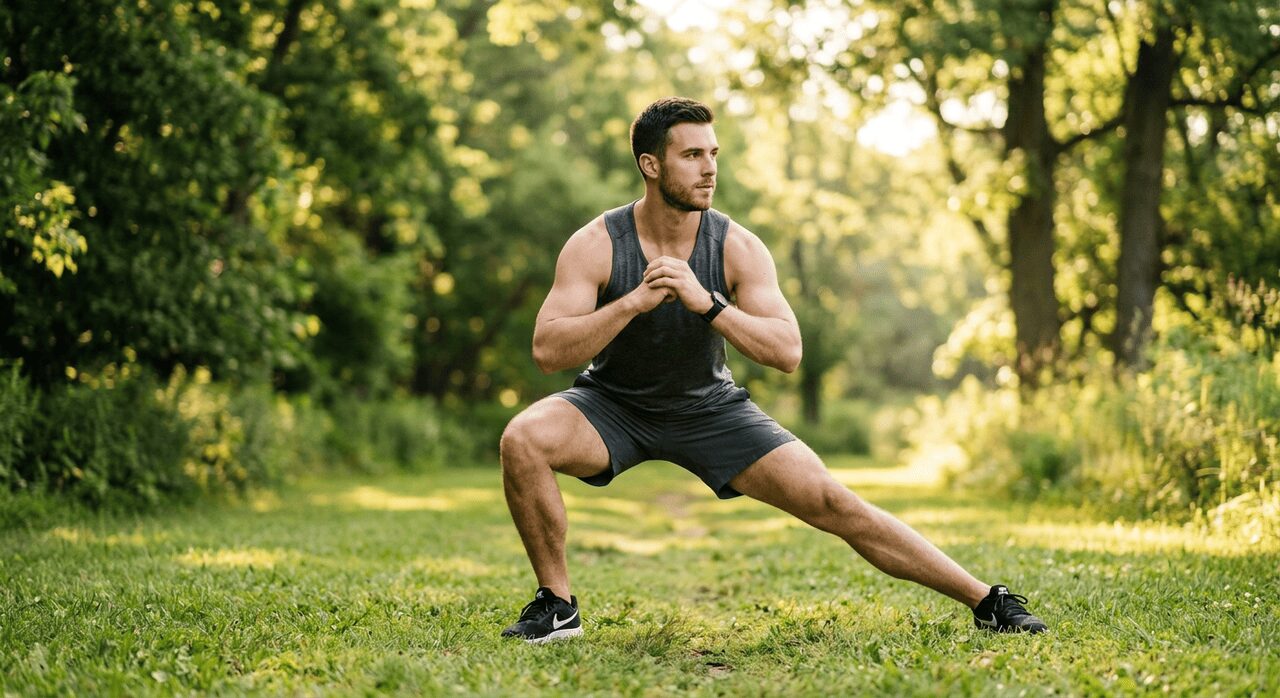
- Walking lunges
- Side shuffles
- Leg swings (front to back and side to side)
- Squats or squat-to-reach
- Single-leg balance reaches
- Short accelerations (3 to 4 brief sprints)
- Sport-specific movements: passing, dribbling, throwing, or change-of-direction drills
For younger children, keep the warm up simple and consistent. The goal is habit formation and basic movement preparation. For teenagers, adding more structure, including movement patterns that mirror the demands of their specific sport, builds better physical readiness and body awareness over time.
Focus on movement quality: knees tracking over the toes during squats and lunges, controlled landings, smooth direction changes. These youth sports warm up exercises do more than raise heart rate. They rehearse the patterns your child will rely on throughout practice.
Which Warning Signs Should Parents Not Ignore in the First Two Weeks?
Early-season soreness in muscles that have been working harder is common and generally not a concern. What deserves attention is pain that behaves differently.
Contact a healthcare provider or physiotherapist if your child experiences:
- Pain that changes how they walk, run, jump, or throw
- Pain that gets worse during activity rather than settling as they warm up
- Swelling, bruising, or visible changes around a joint
- Pain that comes back every practice or persists after rest
- Any head impact followed by headache, dizziness, confusion, nausea, or light sensitivity
- Night pain, unexplained fever, or severe pain that does not correspond to a specific activity
Any suspected concussion should follow appropriate medical direction and return-to-sport protocols. The CDC HEADS UP return to sports guidance provides a clear framework for understanding concussion management and safe return to play for young athletes.
Early assessment after a concern arises helps identify whether the issue is related to training load, strength, mobility, movement technique, or something that needs medical referral. Acting early is almost always easier than managing a problem that has had several weeks to develop. Preventing sports injuries in children is far more straightforward when issues are caught before they compound.
The Office of Disease Prevention and Health Promotion also offers resources on youth sports participation and physical activity that parents and coaches may find useful when thinking about long-term athlete health.
How Does Physiotherapy Help Young Athletes Before Injury Occurs?
Physiotherapy is not only a response to injury. It is a tool for preparation, and for young athletes heading into a new season, that distinction matters.
A pre-season physiotherapy visit for a young athlete typically includes:
- A movement screen tailored to the child’s sport and position
- Assessment of strength, flexibility, balance, and coordination
- A review of previous injuries and current training schedule
- A warm up and home exercise plan suited to the child’s age and sport
- Practical guidance on recovery, footwear, and how to increase intensity over time
A hockey player, a dancer, a distance runner, and a soccer goalkeeper do not need the same preparation plan. The demands on the body are different, and the assessment reflects that. Personalized guidance helps address the specific physical requirements of the sport your child is entering.
For families in Burnaby preparing for school, club, or community sports this fall, a pre-season check offers clear next steps before the schedule fills up and the season moves quickly. If your child has a history of injury, is going through a growth spurt, or is moving into a more demanding level of competition, a movement assessment before tryouts gives you useful information at the right time.
If an injury does occur during the season, Burnaby Heights Physiotherapy also provides sports injury rehabilitation to help young athletes recover and return to sport progressively and safely.
Key Takeaways
- General summer activity does not prepare a child’s body for the specific physical demands of structured sport. Sport readiness requires gradual, sport-specific conditioning.
- Starting preparation two to four weeks before tryouts, even with light activity and warm ups, reduces the risk of common early-season injuries like heel pain, knee pain, and muscle strains.
- Total weekly activity across all settings, including school, club, personal training, and recreational play, should be tracked to avoid sudden spikes in training load.
- A dynamic eight to twelve minute warm up that includes movement patterns specific to the sport is more effective than static stretching or light jogging alone.
- Pain that changes movement, worsens during activity, causes limping, or returns every practice should be assessed by a physiotherapist rather than monitored passively through the season.
- A physiotherapy movement assessment before the season starts is a proactive step, not just a response to injury. It addresses mobility, strength, balance, and sport-specific readiness in a plan tailored to the individual child.
Ready to Start the Season Strong?
If your child is heading into tryouts or stepping onto the ice, field, or court for the first time this fall, you do not have to wait for pain to interrupt their momentum. A pre-season assessment gives you a clear picture of how your child moves, where there is room to build, and what a practical preparation plan looks like for their sport and schedule.
Book a youth sports physiotherapy assessment at Burnaby Heights Physiotherapy. We will help your child prepare well, move with confidence, and stay active through the full season.
Frequently Asked Questions
How early should my child start preparing for sports season?
Starting two to four weeks before tryouts is helpful when possible, especially after a quieter off-season. Even one or two weeks of gradual conditioning, warm ups, and movement practice builds a better foundation than going in cold. The earlier you start, the more time the body has to adapt to increasing demands without a sudden spike in load.
Does my child need a pre-season physical before playing sports?
Some schools, leagues, and sports organizations require a medical pre-season physical before a child is cleared to participate. A physiotherapy assessment serves a different purpose. It focuses on how your child moves, including strength, mobility, balance, and sport-specific readiness, rather than general medical clearance. Depending on your child’s sport and history, both may be worth pursuing.
Should my child keep playing if they only have mild pain?
Mild muscle soreness when activity increases is common and generally settles with rest. Pain that changes how your child moves, gets worse during practice, causes limping, or returns consistently after rest is a different situation and should be assessed. Reducing intensity and seeking guidance early almost always leads to a better outcome than continuing through pain and managing a more serious issue later in the season.