


Post Motor Vehicle Accident Concussion Treatment: Rehab Options After a Crash
June 30, 2026
Is Acupuncture Good for Back Pain? A Balanced Guide for Patients
September 30, 2026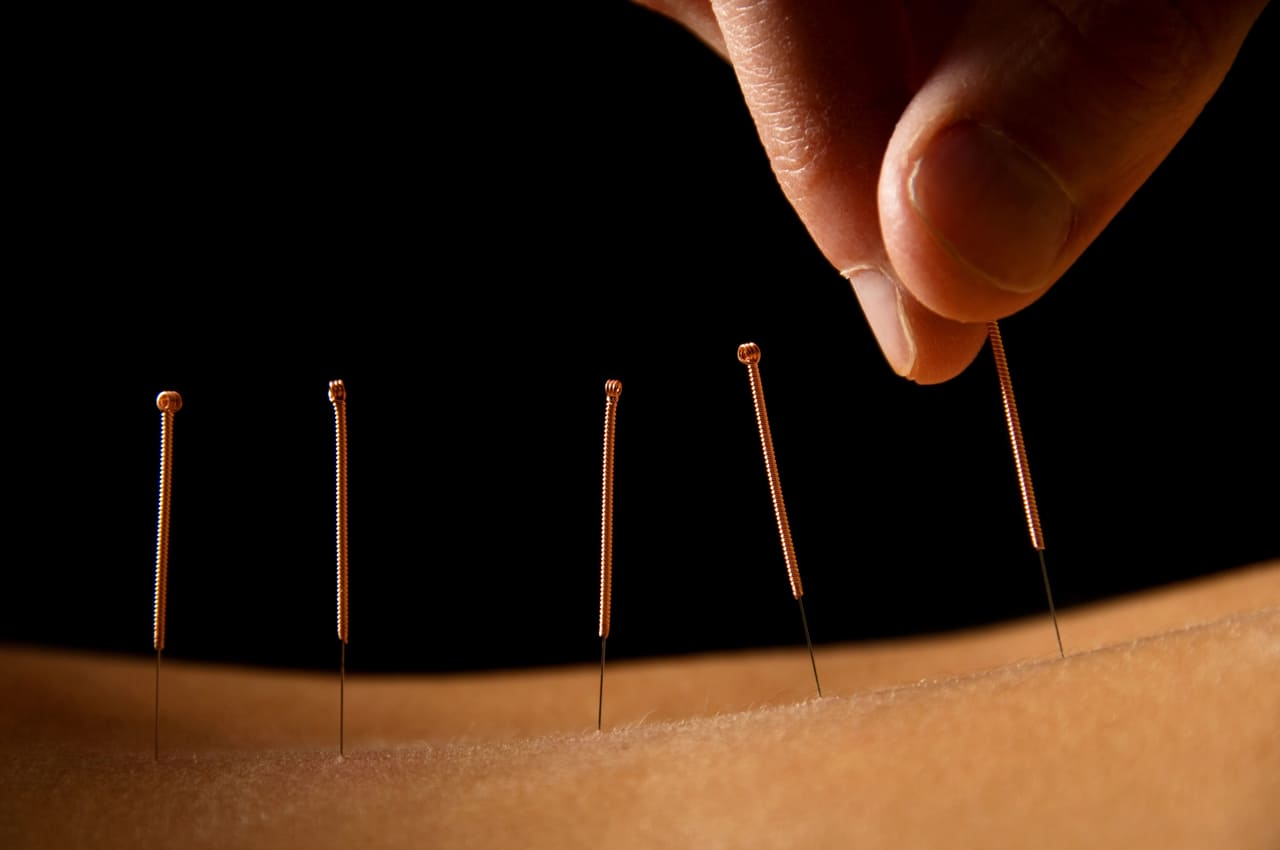
TLDR
Acupuncture and dry needling both use thin, solid needles, but they are not the same treatment. Acupuncture is rooted in traditional Chinese medicine and applies needles at specific body points to support broader physiological responses, while dry needling is a musculoskeletal technique that targets trigger points and muscle tension in a specific area. Understanding the difference helps you ask better questions, set realistic expectations, and choose the approach that fits your condition and goals.
The word “needles” tends to stop people mid-sentence. Whether a practitioner mentions acupuncture or dry needling, the reaction is often the same: a pause, a question, and a fair amount of uncertainty about what exactly is being proposed. That reaction is completely understandable, and it happens for a simple reason. Both treatments look similar from the outside, which makes it easy to assume they are the same thing.
They are not. Acupuncture and dry needling share a tool, but they come from different clinical frameworks, involve different assessment processes, and work toward different goals depending on your condition. Knowing the difference between acupuncture and dry needling does not just satisfy curiosity. It helps reduce the anxiety that comes from the unknown and puts you in a better position to participate in decisions about your care.
This post walks through how each treatment works, what you are likely to feel during a session, how to weigh your options, and how to handle needle anxiety if that is something you are carrying into your appointment.
Why Do Patients Confuse Acupuncture and Dry Needling?
The confusion is visual and completely reasonable. Both treatments use thin, single-use, solid needles inserted into the body. Neither involves injecting medication or fluid. From a patient’s perspective sitting across from a practitioner, the setup looks nearly identical.
What makes it harder is that the word “needle” carries a lot of weight. Many people associate needles with injections, blood draws, or pain, and when two different treatments share that association, the differences tend to get lost. It is worth knowing that “needle treatment” is not a single category. The needle is a tool. What matters is how it is used, where it is placed, why it is placed there, and what the practitioner is trained to do with it.
If you feel nervous about needle-based treatment, that concern is worth bringing up before your session starts, not after. A good practitioner will take the time to explain what is happening and why, and will adjust the approach based on your comfort. Education is not a formality here. It is part of how care works.
What Is the Main Difference Between Acupuncture and Dry Needling?
The core difference lies in the clinical framework behind each treatment, not just the tool used to deliver it.
Acupuncture
Acupuncture is a treatment rooted in traditional Chinese medicine. Practitioners apply thin needles at specific, predetermined points on the body. These points are selected based on the patient’s symptoms, health history, and broader patterns observed during assessment. The needles are typically left in place for a period of time to allow a physiological response to occur. That response may involve changes in blood flow, nervous system activity, or muscle tone depending on the points selected and the goals of the session. Acupuncture is often used to address pain, stress response, and systemic symptom patterns.
Dry Needling
Dry needling is a musculoskeletal treatment used to address trigger points, muscle tension, and movement-related pain. The term “dry” refers to the fact that no fluid or medication is injected. Unlike acupuncture, the needle is not left passively in place. Instead, the practitioner oscillates or manipulates the needle within a specific muscle or myofascial area to release tension or deactivate a trigger point. Dry needling is commonly applied as part of a physiotherapy assessment where a specific region of muscle or soft tissue is identified as contributing to pain or restricted movement.
So is dry needling the same as acupuncture? No. There is overlap in the tools used and occasionally in the locations treated, but the reasoning behind where the needle goes, what happens during the session, and what outcome the practitioner is working toward are different. In British Columbia, the training, regulation, and scope of practice for practitioners using each technique also differ, which is one more reason to ask about your provider’s background before treatment begins.
The table below summarizes the key differences at a glance.
| Feature | Acupuncture | Dry Needling |
| Clinical framework | Traditional Chinese medicine | Musculoskeletal and neuromuscular assessment |
| Needle placement | Predetermined points based on symptom patterns | Targeted muscles, trigger points, or myofascial tissue |
| Needle technique | Needles left in place for a period of time | Needle oscillated or manipulated in the tissue |
| Primary focus | Pain, systemic symptoms, broader health patterns | Muscle tension, trigger points, movement restrictions |
| Fluid injected | No | No |
How Do Acupuncture and Dry Needling Work for Pain Relief?
Both treatments engage the body’s nervous system and local tissue, which is why both are used for pain relief despite their different frameworks. Research published on PubMed Central supports that needling techniques influence local blood flow, pain sensitivity, and neuromuscular response, though the precise mechanisms are still being studied.
For acupuncture, the physiological response is connected to where the needles are placed and how long they remain. Practitioners assess the whole person, not just the site of pain, and may place needles in areas that seem unrelated to the presenting complaint. The goal is to create a response that supports regulation across a broader set of symptoms or patterns.
For dry needling, the focus is more localized. According to Physiopedia, dry needling targets myofascial trigger points, which are areas of increased muscle tension that contribute to pain, restricted movement, or referred discomfort. The mechanical action of the needle in the tissue, including the twitch response it often triggers, is part of how tension is released and sensitivity is reduced.
Both treatments work well when matched to the right person and integrated with a broader care plan. Needle-based treatment is rarely the whole picture. It is most effective when paired with education, movement work, exercise, or load management, depending on your condition and where you are in your recovery.
What Should You Expect During Acupuncture vs Dry Needling?
Knowing what a session looks like from start to finish helps reduce the uncertainty that makes needle anxiety worse.
Before the Needles
Both treatments begin with an assessment. Your practitioner will ask about your symptoms, history, and goals, explain what they are recommending and why, and get your informed consent before proceeding. You should feel free to ask questions at any point during this process.
During Acupuncture
Needles are placed at specific points, which sometimes means areas away from where you feel pain. You will typically stay in a comfortable position while the needles remain in place. Sensations vary from person to person and include heaviness, warmth, tingling, a dull ache, or almost no sensation at all. The session length depends on your treatment plan.
During Dry Needling
As the Mayo Clinic explains, dry needling targets specific muscles or trigger points, and patients often feel a brief twitch response, a cramp-like sensation, a deep ache, or temporary soreness in the treated area. Sessions are often shorter than acupuncture, and your practitioner may reassess your movement or assign exercises immediately afterward.
In both cases, you are in control. You can ask questions, request a pause, or stop the session entirely. Informed consent is not a one-time form. It is an ongoing part of the interaction.
Which Option Is Right for You?
The right choice depends on your condition, your goals, and the assessment your practitioner performs. There is no universal answer.
Acupuncture is often considered when a patient is managing pain alongside broader systemic concerns, wants a traditional Chinese medicine approach, or is looking for support with stress-related or whole-body symptom patterns.
Dry needling is often considered when the focus is on a specific muscle, trigger point, or movement limitation identified during a physiotherapy assessment. If you are working through a musculoskeletal condition and your physiotherapist identifies muscle tension or trigger point activity as contributing to your pain, dry needling, including a related approach called Intramuscular Stimulation (IMS), is worth discussing as part of your plan.
Before agreeing to either treatment, it is reasonable to ask:
- Why are you recommending this for my specific condition?
- What should I expect during and after the session?
- How does this fit into my broader recovery plan?
- What are the alternatives if I am not comfortable with needles?
Safety considerations also matter. Let your practitioner know if you are pregnant, taking blood thinners, have a history of fainting, or have any active skin infections or immune concerns. These factors influence whether and how needle-based treatment is appropriate for you.
How Do You Reduce Needle Anxiety Before Your Appointment?
Feeling nervous about needles is common and does not need to stop you from accessing effective care. The goal is not to dismiss the anxiety but to give you tools to work through it.
The most important step is to tell your practitioner before the session starts. When your practitioner knows you are nervous, they can adjust their approach, slow down the explanation, show you the needle before using it, or start with fewer needles and a shorter session if that helps you build confidence gradually.
A few practical steps that many patients find helpful:
- Eat something beforehand unless your practitioner advises otherwise. Low blood sugar increases the chance of feeling lightheaded.
- Practice slow, steady breathing during the session. It gives you something to focus on and keeps your nervous system calmer.
- Avoid watching the needle insertion if that increases your anxiety. Looking away is completely fine.
- Ask your practitioner to describe each step before doing it. Knowing what is coming reduces the element of surprise.
The right treatment should feel explained, purposeful, and tailored to you. If it does not feel that way, say so. That feedback helps your practitioner adjust and helps you stay engaged in your own care.
Key Takeaways
- Acupuncture and dry needling both use thin, solid needles, but they come from different clinical frameworks and address different goals.
- Acupuncture applies needles at predetermined body points and leaves them in place to support a physiological response; dry needling targets specific muscles or trigger points using needle manipulation to release tension.
- Neither treatment involves injecting medication or fluid into the body.
- Both techniques engage the nervous system and may support pain relief, but they work best when matched to the patient’s specific condition and integrated with a broader care plan.
- Needle anxiety is common and manageable; telling your practitioner before the session starts is the most effective first step.
- You have the right to ask why a treatment is being recommended, what to expect, and what the alternatives are before agreeing to any needle-based care.
Ready to Understand Your Options?
If you are weighing acupuncture vs dry needling and are not sure which approach fits your situation, a thorough assessment is the right place to start. At Burnaby Heights Physiotherapy, our team will take the time to explain your options clearly, answer your questions, and put together a treatment plan tailored to your condition, comfort level, and recovery goals.
You do not need to decide on needle-based care before your first visit. Come in, talk through what you are dealing with, and we will help you take an active role in what comes next.
Frequently Asked Questions
Is dry needling the same as acupuncture?
No. Both treatments use thin, solid needles, but they come from different clinical frameworks. Acupuncture is rooted in traditional Chinese medicine and uses predetermined body points to support broader physiological responses. Dry needling is a musculoskeletal technique that targets trigger points and muscle tension in a specific area, typically as part of a physiotherapy assessment.
Does dry needling or acupuncture hurt?
Sensations vary from person to person. Some people feel very little, while others notice a dull ache, warmth, tingling, or a brief muscle twitch during dry needling. Your practitioner should explain what to expect before starting and will adjust the treatment based on your feedback and comfort throughout the session.
Can I choose not to have needles during physiotherapy?
Yes. Needle-based treatment is one option within a broader set of approaches. If acupuncture or dry needling does not feel right for you, your physiotherapist can discuss alternatives including exercise therapy, manual therapy, movement-based strategies, and education, all of which are part of a complete care plan.