


Listening to Your Body: Identifying Early Injury Signs in Burnaby Athletes
April 30, 2026
Pelvic Floor Physiotherapy for Stress Urinary Incontinence: Support for Leaks With Coughing, Sneezing, and Movement
May 30, 2026
TL;DR
Acupuncture for tension headaches is not a standalone fix, but it may support relief for people whose headaches are connected to neck tension, scalp sensitivity, or stress-related muscle guarding. A thorough assessment helps determine whether acupuncture fits your care plan and how it works alongside movement, posture, and lifestyle strategies. Responses vary, and realistic expectations are part of any honest conversation about care.
────────────────────────────────────────────────────────
If you spend most of your day in front of a screen and regularly feel a tight, pressing sensation across your forehead, temples, or the back of your skull, you are not imagining it. Tension headaches are common, and for many people they become a persistent background interruption that no amount of over-the-counter pain relief seems to fully address.
Acupuncture comes up often in these conversations, and for good reason. But the question worth asking is not simply “does acupuncture work for tension headaches?” It is more useful to ask when acupuncture fits into a broader picture of care, and what a clinician looks for before deciding to include it. That is what this post is about.
We will walk through what tension headaches often involve, how acupuncture fits into a musculoskeletal care plan, what to expect from a session, and how progress gets tracked over time. The goal is to give you a clear, grounded picture so you can make an informed decision about next steps.
What Do Tension Headaches Often Have in Common?
Tension headaches typically present as a steady pressure or tightness around the head, rather than a pulsing or one-sided pain. People often describe a band-like sensation across the forehead, pressure at the temples, or a heaviness at the base of the skull that connects into the neck and upper shoulders.
A few patterns come up frequently:
• Headaches that build gradually during or after long screen sessions
• Neck and shoulder tightness that accompanies or precedes head pain
• Sensitivity along the scalp, jaw, or upper neck
• Headaches that worsen with stress, poor sleep, or reduced movement breaks
• Discomfort that responds somewhat to heat, rest, or position changes
These patterns often point to contributors like sustained posture, insufficient movement variation, jaw clenching, elevated stress load, or upper neck sensitivity. None of these are assumptions we make automatically. A careful history and assessment help clarify what is actually driving the pattern for each person.
When to Seek Urgent Medical Care
Most tension headaches are not dangerous, but some headache presentations require prompt medical attention. Seek care right away if you experience a sudden, severe headache unlike anything before, neurological symptoms such as vision changes or weakness, fever with a stiff neck, headache following a head injury, or a significant shift in your usual headache pattern. These are situations where a clinician assessment should happen before any other treatment.
How Acupuncture Fits Into Headache Relief
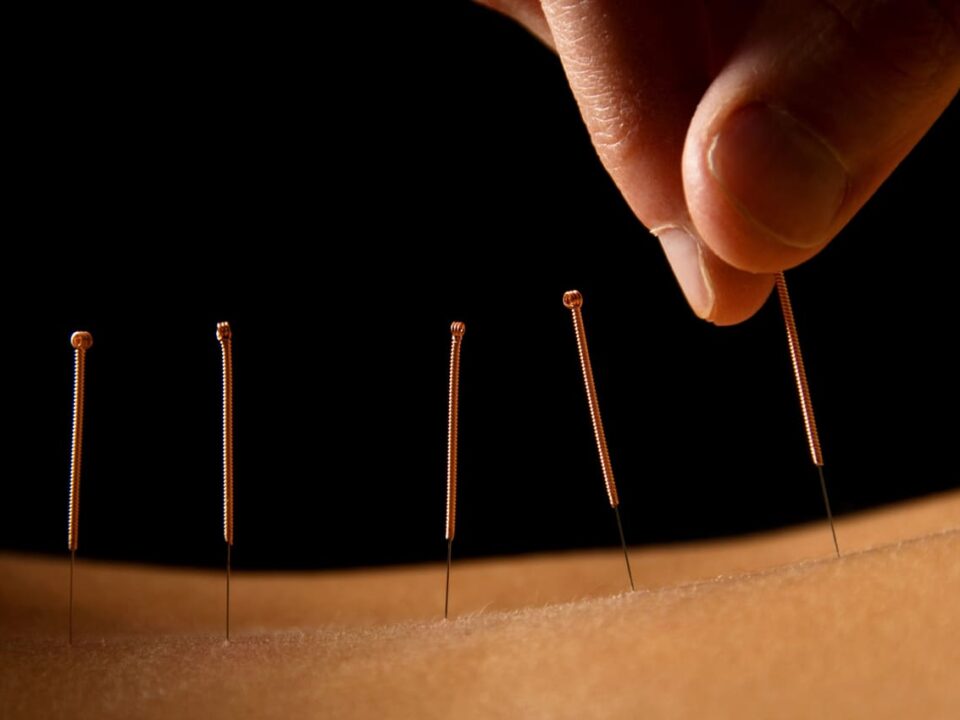
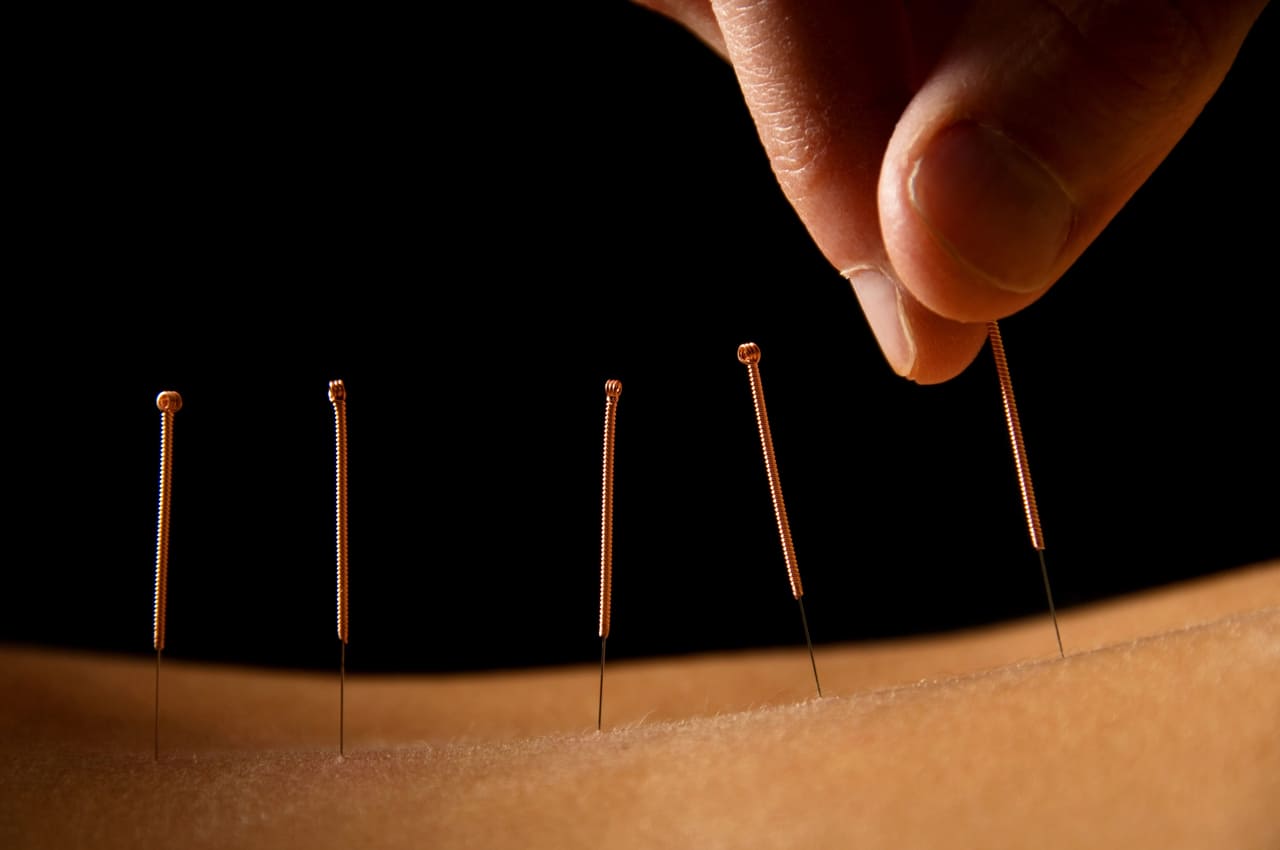
Acupuncture involves placing fine, sterile needles at selected points on the body to influence the nervous system, muscle tone, and pain sensitivity. It is not a dramatic intervention. The goal in the context of tension headaches is usually modest and practical: to reduce sensitivity in overactive tissues, calm stress-related muscle guarding, and create a more comfortable window for movement and rehabilitation work to take hold.
The Mayo Clinic notes that acupuncture is thought to stimulate nerves, muscles, and connective tissue, and some evidence suggests it influences the body’s natural pain-modulating systems. Research published in the National Library of Medicine supports the view that acupuncture shows promise for tension-type headache management, though responses vary between individuals and methodological differences across studies mean results should be interpreted with appropriate caution.
That caution matters. Acupuncture is not a treatment that produces the same result for everyone, and it is not a replacement for understanding the underlying contributors to your headaches. For people with neck and scalp tension, stress-related guarding, or sensitivity around the upper cervical region, it often serves as one useful component within a more complete plan. You can learn more about how we approach acupuncture for headaches at our clinic.
How Do We Decide Whether Acupuncture Belongs in Your Plan?
The decision to include acupuncture starts with a thorough assessment. There is no shortcut here. Before recommending any treatment, we want to understand your full picture.
A typical assessment covers:
| Assessment Area | What We Look At |
|---|---|
| Headache history | Frequency, duration, location, and how long the pattern has been present |
| Triggers and timing | Screen time, stress, sleep quality, posture habits, jaw clenching |
| Physical findings | Neck mobility, upper back tension, shoulder function, scalp and jaw sensitivity |
| Work and lifestyle context | Screen setup, workload demands, movement breaks, hydration patterns |
| Medication use | Frequency of pain relief use and any patterns of rebound |
Acupuncture tends to make sense when neck tension, scalp sensitivity, or stress-related muscle involvement appear to be part of the pattern and when the person is comfortable with needles and open to discussing options. It is not always the first step. When symptoms are unclear, red flags are present, or another provider’s input is needed first, we say so directly. The plan should always feel comfortable, clearly explained, and adjusted to your situation. Consent and communication are not afterthoughts.
Why Acupuncture Works Better as Part of a Broader Plan
Acupuncture alone rarely produces the kind of change that holds over time. It is most useful when it supports a broader plan that addresses the reasons the headaches keep returning.
For most people with tension headaches linked to screen work and stress, that broader plan often includes some combination of the following:
• Neck mobility work to restore range and reduce stiffness
• Upper back and shoulder strengthening to support sustained posture
• Breathing strategies that reduce overall tension load
• Ergonomic changes to the work setup
• Pacing strategies for high-demand work periods
• Guided movement breaks throughout the day
The Washington State Health Care Authority’s evidence review on acupuncture reflects a similar picture: acupuncture shows some support in the research, but outcomes are generally stronger when it is part of a multi-component approach rather than used in isolation.
Acupuncture for neck and scalp tension works best when paired with hands-on care, movement education, and the kind of self-awareness that helps you recognize your own patterns before headaches take hold. You might also find our overview of dry needling for tension and stress relief useful for understanding how similar needling approaches address muscle tension more directly.
What Happens During an Acupuncture Session?
The visit begins with a conversation. Before any needles are placed, we review your current symptoms, screen for anything that would affect point selection or positioning, and discuss your comfort preferences.
Point selection is based on your assessment findings, not a generic protocol. For tension headaches involving neck and scalp tension, points are often chosen around the upper neck, shoulders, and sometimes the hands or feet, depending on what your pattern suggests. You will be positioned comfortably, and the needles are left in place for a period of rest, typically around twenty minutes.
Common sensations include a mild pressure, warmth, or heaviness at the needle site. Some people feel very little. Both responses are normal. You are always welcome to pause or stop, and clear communication throughout the session is part of how we work.
Expectations should be realistic. Some people notice a shift in tension or comfort relatively quickly. Others need several sessions before patterns begin to change, particularly when the headache history is long or the contributing factors are multiple. We discuss this openly so you know what to look for and what timelines are reasonable for your situation.
Building a Plan for Fewer Headache Interruptions
Progress is tracked in practical terms: headache frequency, intensity, how often you reach for pain medication, neck mobility, screen tolerance, sleep quality, and daily function. These markers help us adjust the plan based on how you are responding, rather than following a fixed schedule that ignores your actual experience.
Self-care strategies are part of every plan. These are not complicated. They include:
• Short movement breaks every thirty to forty-five minutes during screen work
• Adequate hydration throughout the day
• Gentle neck mobility exercises in the morning or during breaks
• Jaw relaxation awareness, especially during stressful periods
• Avoiding sustained end-range positions for long stretches
For people looking for tension headache treatment in Burnaby, the most useful starting point is not a specific treatment modality. It is a careful assessment that identifies what is actually driving your headaches and builds a plan matched to your daily demands and goals.
Key Takeaways
• Tension headaches often involve neck stiffness, scalp sensitivity, and stress-related muscle tension, and these patterns are assessed before any treatment is recommended.
• Acupuncture involves placing fine needles at selected points to influence the nervous system and muscle tone; research suggests it shows promise for tension-type headaches, though individual responses vary.
• A thorough clinical assessment covering headache history, physical findings, and lifestyle factors guides whether acupuncture fits a care plan.
• Acupuncture is most useful as part of a broader plan that includes movement, posture work, and self-care strategies rather than as a standalone treatment.
• Realistic expectations matter: some people notice changes early, while others need time and a multi-component approach before headache patterns begin to shift.
• Progress is tracked through practical markers like headache frequency, medication use, and daily function, and plans are adjusted based on individual response.
Ready to Talk Through Your Headache Pattern?
If tension headaches keep interrupting your work, sleep, or focus, a clear assessment is the right place to start. At Burnaby Heights Physio, we take the time to understand your headache pattern, your neck and scalp tension, your screen habits, and your goals before recommending any course of care.
You can learn more about our acupuncture services in Burnaby and what an assessment involves. We will walk you through your options, explain each step clearly, and build a plan that fits your life. No pressure, no guesswork.
Book an assessment and let’s figure out what is going on and what to do about it.
Frequently Asked Questions
Can acupuncture help tension headaches?
Acupuncture may help some people with tension headaches, particularly when neck tension, scalp sensitivity, or stress-related muscle guarding are contributing to the pattern. It is not a guaranteed fix, and responses vary. A clinician assessment helps determine whether it is a reasonable fit for your specific situation and how it fits alongside other care.
Is acupuncture for stress headaches the same as acupuncture for neck tension?
These presentations often overlap. Stress headaches frequently involve neck, shoulder, jaw, or scalp tension, and the treatment approach addresses those physical contributors alongside the stress response. The specific points chosen and how acupuncture is combined with other care depends on your individual symptoms, triggers, and assessment findings.
How many sessions will I need?
There is no single answer that applies to everyone. Some people notice a shift in symptoms within a few sessions, while others need more time, especially when the headache pattern is long-standing or the contributing factors are multiple. Frequency and duration are shaped by your headache history, how acupuncture is combined with movement and lifestyle work, and how your body responds along the way.