



Daily Wrist and Forearm Exercises for Carpal Tunnel Relief and Extended Massage Benefits
February 15, 2026
Daily Routine Adjustments to Support Neurological Stability During Vestibular Physiotherapy
March 15, 2026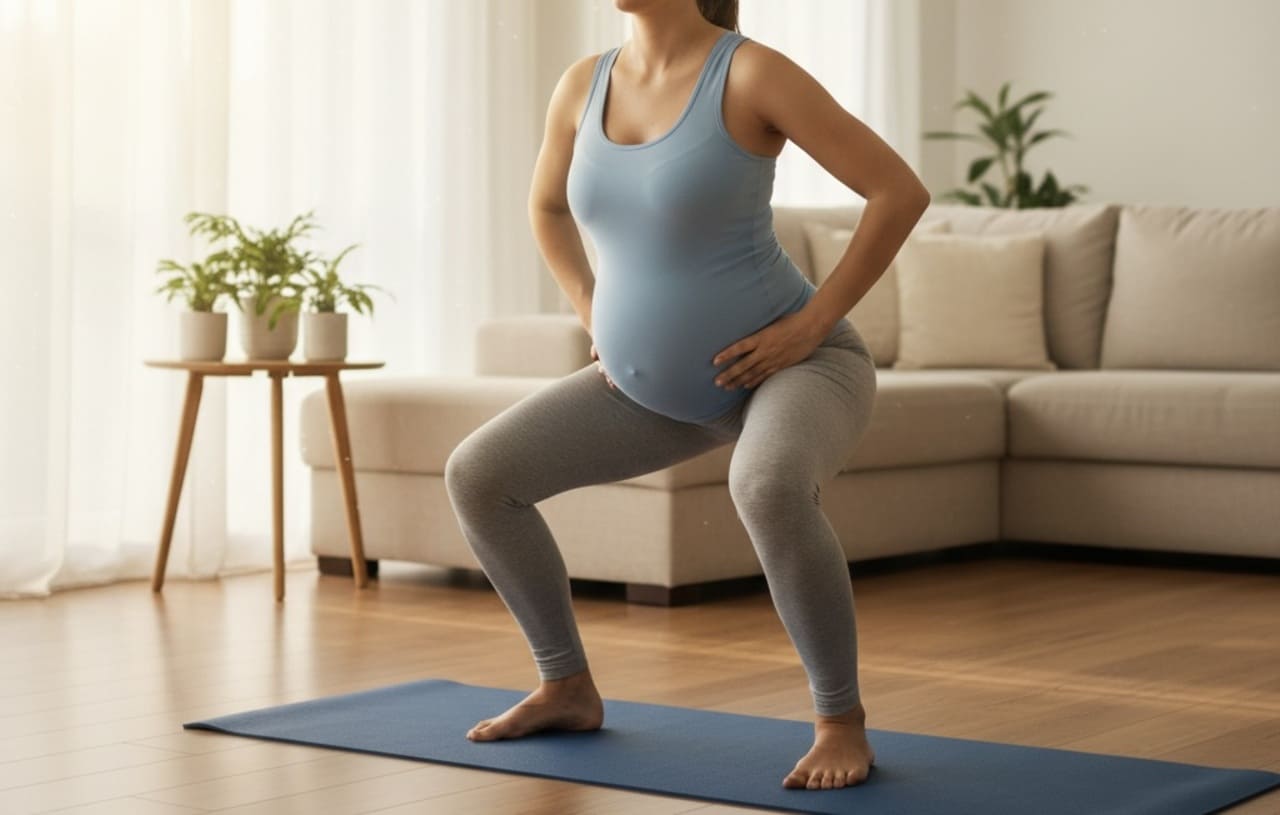
TL;DR
Pregnant individuals can safely strengthen their pelvic floor muscles by adapting everyday squatting and lifting movements with proper breathing techniques and posture modifications. These functional exercises support both pregnancy comfort and postpartum recovery when performed with physiotherapy-guided form and gradual progression.
────────────────────────────────────────────────
Introduction
Your pelvic floor muscles work around the clock during pregnancy, supporting your growing baby while maintaining core stability and bladder control. Rather than viewing exercise as something separate from daily life, I want to show you how common movements like squatting down to pick something up or lifting groceries can become powerful tools for strengthening these essential muscles.
The beauty of functional pelvic floor training lies in its practicality. When you learn to engage your pelvic floor properly during everyday activities, you’re building strength and awareness that will serve you throughout pregnancy and into recovery. This approach, grounded in physiotherapy principles, transforms routine movements into opportunities for targeted muscle activation and strengthening.
How Does Your Pelvic Floor Change During Pregnancy?
Your pelvic floor consists of a group of muscles that stretch like a hammock from your pubic bone to your tailbone, supporting your bladder, uterus, and bowel. During pregnancy, these muscles face unique challenges as your body adapts to accommodate your growing baby.
The weight of your expanding uterus places increased downward pressure on your pelvic floor muscles. Hormonal changes, particularly increased relaxin levels, soften connective tissues throughout your body, including those supporting your pelvic floor. Research shows that these changes can affect muscle function and contribute to pelvic girdle pain if not properly supported through targeted exercises.
Your posture also shifts as pregnancy progresses. The forward weight of your baby often leads to an anterior pelvic tilt and increased lower back curve, which changes how your pelvic floor muscles function within your core system. Understanding these changes helps you work with your body rather than against it when performing strengthening exercises.
How Can You Transform Squatting Into Safe Pelvic Floor Exercise?
Squatting is one of the most natural and beneficial movements for your pelvic floor during pregnancy. Studies demonstrate that squatting positions help optimize pelvic floor muscle length and function, making this movement particularly valuable for prenatal strengthening.
Start with your basic squat form. Stand with your feet slightly wider than hip-width apart, toes pointing slightly outward. As you begin to lower into the squat, imagine sitting back into an invisible chair while keeping your chest lifted and weight balanced between both feet.
Here’s where the pelvic floor engagement begins: As you descend into the squat, take a breath in and allow your pelvic floor to gently lengthen and relax. This lengthening phase is crucial for maintaining muscle flexibility. As you rise back to standing, exhale while gently lifting your pelvic floor muscles upward and inward, as if you’re stopping the flow of urine or lifting a blueberry with your vagina.
Pregnancy-Specific Squat Modifications
As your pregnancy progresses, adjust your squat depth to maintain comfort. You don’t need to squat below parallel to gain benefits. Focus on the quality of movement rather than depth. Place a stability ball between your back and a wall for support, or hold onto a sturdy surface if balance becomes challenging.
Avoid holding your breath or bearing down forcefully during the movement. This creates excessive intra-abdominal pressure that works against your pelvic floor muscles. Instead, coordinate your breathing with the movement for optimal muscle activation and safety.
What’s the Safest Way to Adapt Lifting for Pelvic Floor Health?
Lifting objects is unavoidable in daily life, whether you’re picking up your toddler, carrying groceries, or moving household items. The key lies in transforming these necessary movements into opportunities for pelvic floor strengthening rather than strain.
Begin every lift with preparation. Stand close to the object you’re lifting and engage your core muscles before you begin the movement. This pre-engagement creates a stable foundation for your pelvic floor to work from. Position your feet hip-width apart for optimal base of support.
As you hinge at your hips to reach for the object, breathe in and allow your pelvic floor to lengthen gently. Keep your back straight and chest lifted, using the power of your leg muscles to initiate the lift. As you rise with the object, exhale while gently engaging your pelvic floor muscles upward.
Weight and Positioning Guidelines
| Pregnancy Stage | Recommended Weight Limit | Key Positioning Tips |
| First Trimester | Up to 25-30 lbs | Maintain normal lifting form with breath awareness |
| Second Trimester | Up to 20-25 lbs | Wider stance for stability, avoid deep bending |
| Third Trimester | Up to 15-20 lbs | Use assistive devices when possible, minimize bending |
Remember that these are general guidelines. Your individual capacity may vary based on your fitness level, pregnancy symptoms, and any complications. Always listen to your body and stop if you experience pain, pressure, or discomfort in your pelvic area.
How Do You Integrate Pelvic Floor Training Into Daily Activities?
The most effective pelvic floor strengthening happens when you consistently integrate muscle activation into routine movements. This functional approach builds both strength and motor patterns that support you throughout pregnancy and beyond.
Start with simple awareness exercises. During regular activities like standing from a chair, climbing stairs, or coughing, practice the exhale-and-lift pattern. Each time you exert effort, exhale while gently engaging your pelvic floor rather than holding your breath and bearing down.
Transform waiting periods into training opportunities. While standing in line or waiting for appointments, practice subtle pelvic floor contractions. Inhale to prepare, then exhale while gently lifting your pelvic floor muscles. Hold for 3-5 seconds, then relax completely. This builds endurance without requiring dedicated workout time.
Building Progressive Awareness
Begin with 5-10 repetitions of any functional movement combined with pelvic floor engagement. Gradually increase to 15-20 repetitions as your awareness and strength improve. Research supports the effectiveness of functional stability exercises in reducing pregnancy-related discomfort when performed consistently.
Pay attention to your body’s signals. Effective pelvic floor engagement should feel like a gentle lift and support, never forced or strained. If you experience pressure, heaviness, or pain in your pelvis, reduce the intensity or seek professional guidance.
When Should You Seek Professional Guidance?
While functional pelvic floor exercises are safe for most pregnant individuals, certain signs indicate you would benefit from professional assessment and guidance. Persistent pelvic pressure, pain during movement, or difficulty controlling your bladder or bowel function warrant evaluation by a qualified physiotherapist.
A prenatal physiotherapist can assess your individual pelvic floor function and provide personalized exercise modifications. They can identify muscle imbalances, teach proper activation techniques, and address any dysfunction before it becomes problematic. Specialized pelvic floor physiotherapy offers hands-on guidance that goes beyond general exercise recommendations.
Professional guidance becomes particularly valuable if you have a history of pelvic floor dysfunction, previous difficult births, or pregnancy complications. A physiotherapist can work with your healthcare team to ensure your exercise program supports your overall pregnancy care plan.
Key Takeaways
• Everyday squatting and lifting movements can safely strengthen pelvic floor muscles during pregnancy when combined with proper breathing and posture techniques.
• Coordinate breathing with movement by inhaling to lengthen the pelvic floor during the lowering phase and exhaling while gently engaging muscles during the lifting phase.
• Modify squat depth and lifting weights as pregnancy progresses, prioritizing form and comfort over intensity or load.
• Functional pelvic floor training builds strength and motor patterns that support both pregnancy comfort and postpartum recovery.
• Seek professional guidance if you experience pelvic pressure, pain, or bladder control issues during exercise.
• Consistent integration of pelvic floor awareness into daily activities provides more benefit than occasional intensive exercise sessions.
Start Your Safe Prenatal Exercise Journey Today
Transforming everyday movements into pelvic floor strengthening opportunities empowers you to take an active role in your pregnancy health. These functional exercises support your body’s changing needs while building strength and awareness that will serve you well into motherhood.
If you’re looking for personalized guidance on prenatal pelvic floor exercises, the experienced physiotherapists at Burnaby Heights Physio offer specialized prenatal care tailored to your individual needs. We’ll help you develop a safe, effective exercise program that fits seamlessly into your daily routine and supports your journey through pregnancy and recovery.
Frequently Asked Questions
What is the safest way to strengthen my pelvic floor during pregnancy?
The safest approach combines gentle muscle activation with functional movements like squatting and lifting, using proper breathing techniques and gradual progression. Focus on coordination and awareness rather than intense contractions, and always stop if you experience pain or pressure.
Can squatting during pregnancy improve pelvic floor health?
Yes, squatting helps maintain pelvic floor muscle length and flexibility while building functional strength when performed with proper form. The key is coordinating the movement with breathing and avoiding excessive depth as pregnancy progresses.
How do I know if my lifting technique is safe for my pelvic floor while pregnant?
Safe lifting involves maintaining a straight back, using leg muscles for power, and coordinating breath with movement. You should feel support and stability in your core without pressure or heaviness in your pelvis. If you experience these symptoms, reduce the weight or modify your technique.
