

Personalized Physiotherapy for Effective Pain Management in Burnaby
December 15, 2025
Enhancing Recovery: The Role of Pre-Surgical Physiotherapy in Surgery Preparation
January 15, 2026
Acupuncture is increasingly being used alongside physiotherapy to support recovery from musculoskeletal injuries. People managing joint pain, soft tissue inflammation, or nerve-related discomfort are looking for treatments that provide relief while supporting long-term healing. For some, acupuncture offers added value in a broader recovery plan.
In this post, we’ll walk through how acupuncture works, the types of injuries it may support, and what to expect during treatment. If you’re dealing with an injury and exploring your options, this can help you make an informed, confident decision about your care.
Understanding Acupuncture and Its Application in Musculoskeletal Injuries
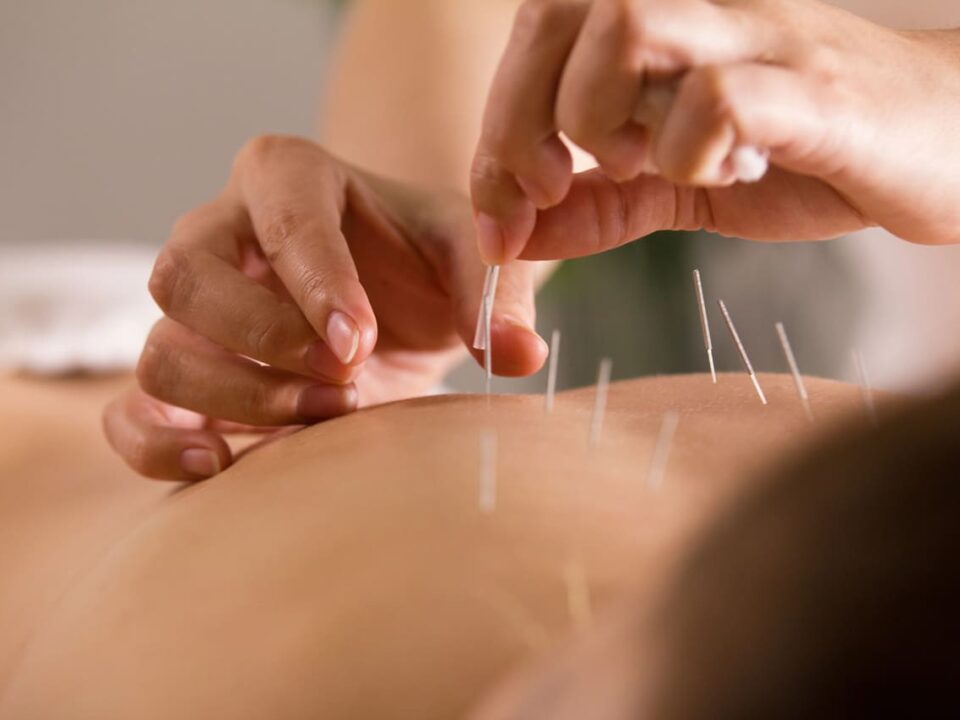
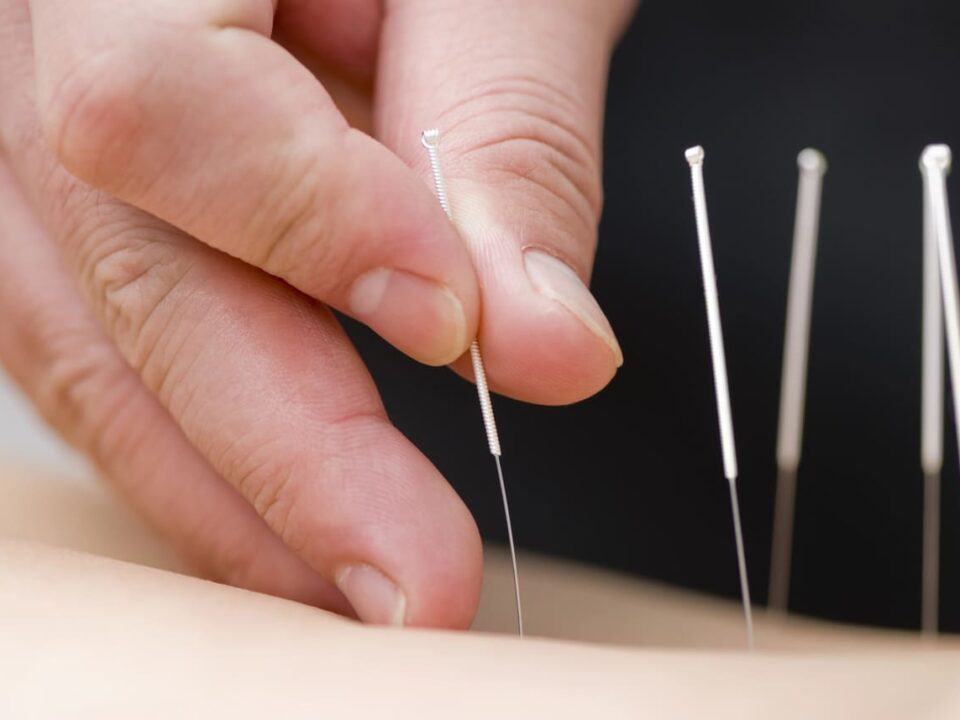
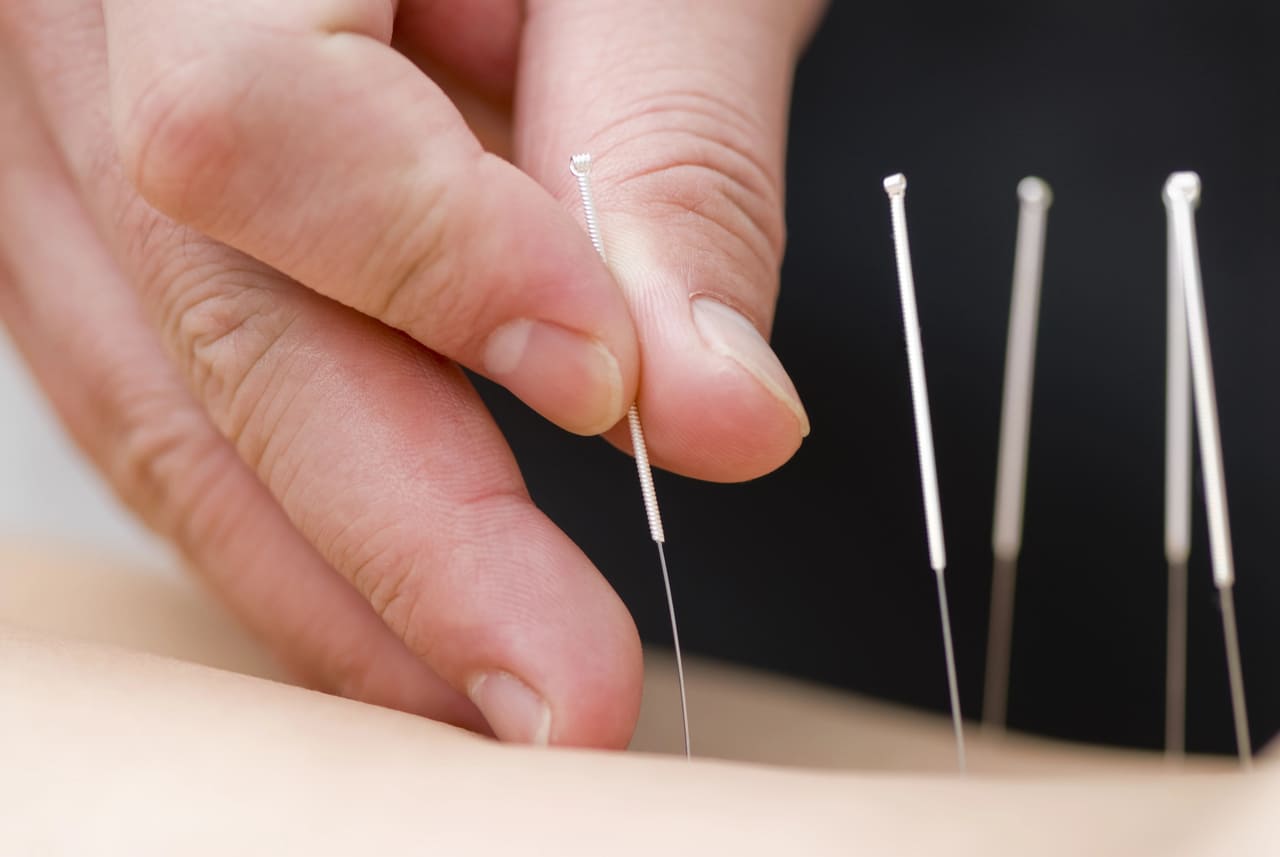
Acupuncture is a therapeutic technique rooted in traditional Chinese medicine. It involves inserting fine needles into specific points on the body to stimulate nerve pathways, improve circulation, and influence the body’s pain response.
While its origins are ancient, acupuncture is also being understood through a modern clinical lens. According to the U.S. Department of Veterans Affairs, acupuncture may activate the central nervous system, promoting the release of endorphins and neurotransmitters that help regulate pain and inflammation. It may also enhance local circulation, which supports tissue healing.
Common musculoskeletal injuries that acupuncture is used to support include:
- Muscle strains and tightness
- Tendon overuse injuries (e.g. Achilles tendinopathy)
- Ligament sprains (e.g. ankle sprains)
- Joint pain (e.g. knees, shoulders, spine)
- Nerve-related pain or irritation (e.g. sciatica)
Acupuncture is often used in combination with other treatments like physiotherapy to support people recovering from sports injuries, workplace strains, or chronic pain conditions.
The Benefits of Acupuncture for Recovery and Pain Relief
Research has shown that acupuncture offers potential benefits when used as part of a recovery plan for musculoskeletal conditions. These benefits may include:
- Reduction in pain and inflammation
- Improved mobility and tissue flexibility
- Reduced muscle tension and spasms
- Support for nervous system regulation and relaxation
For example, a review in the National Institutes of Health found that acupuncture is clinically effective for various musculoskeletal disorders when delivered consistently and within an appropriate treatment plan. The study highlighted the importance of individualized care and combining acupuncture with other active therapies for best results.
At Burnaby Heights Physio, we take a collaborative approach. Acupuncture sessions often work side-by-side with physiotherapy to target both the source of pain and the underlying functional issues. For people managing joint pain, acupuncture treatment for joint pain offers a localized, low-risk method for reducing symptoms and supporting recovery.
What to Expect from Acupuncture Treatment in Burnaby
If acupuncture is recommended as part of your care plan at Burnaby Heights Physio, we start with a thorough assessment. This includes reviewing your injury, medical history, and current symptoms. From there, your practitioner will design a treatment approach that’s tailored to your specific needs and goals.
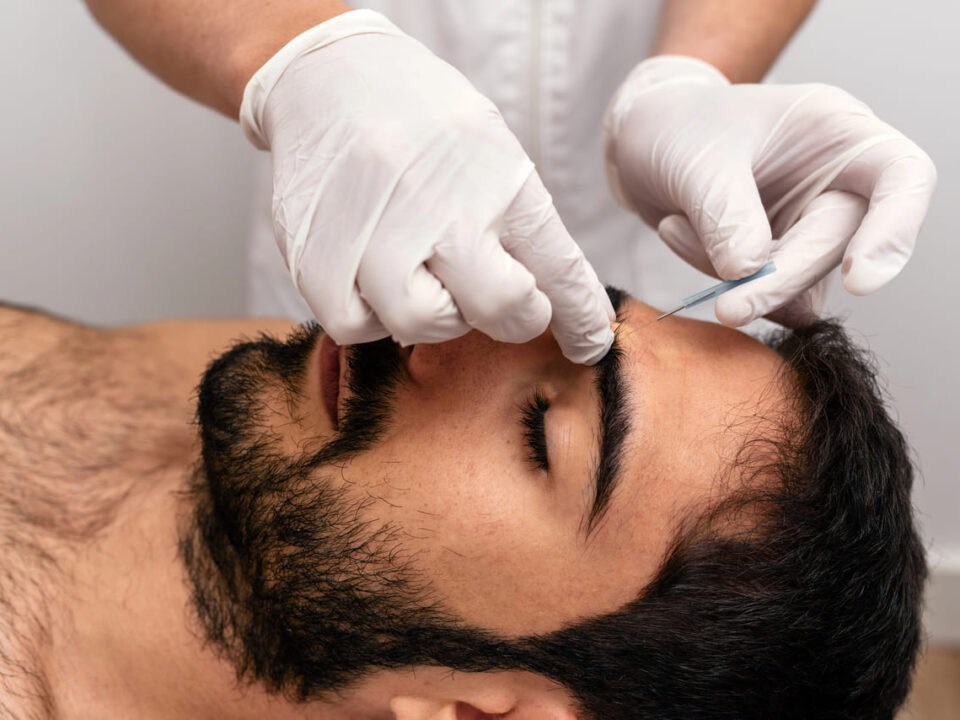
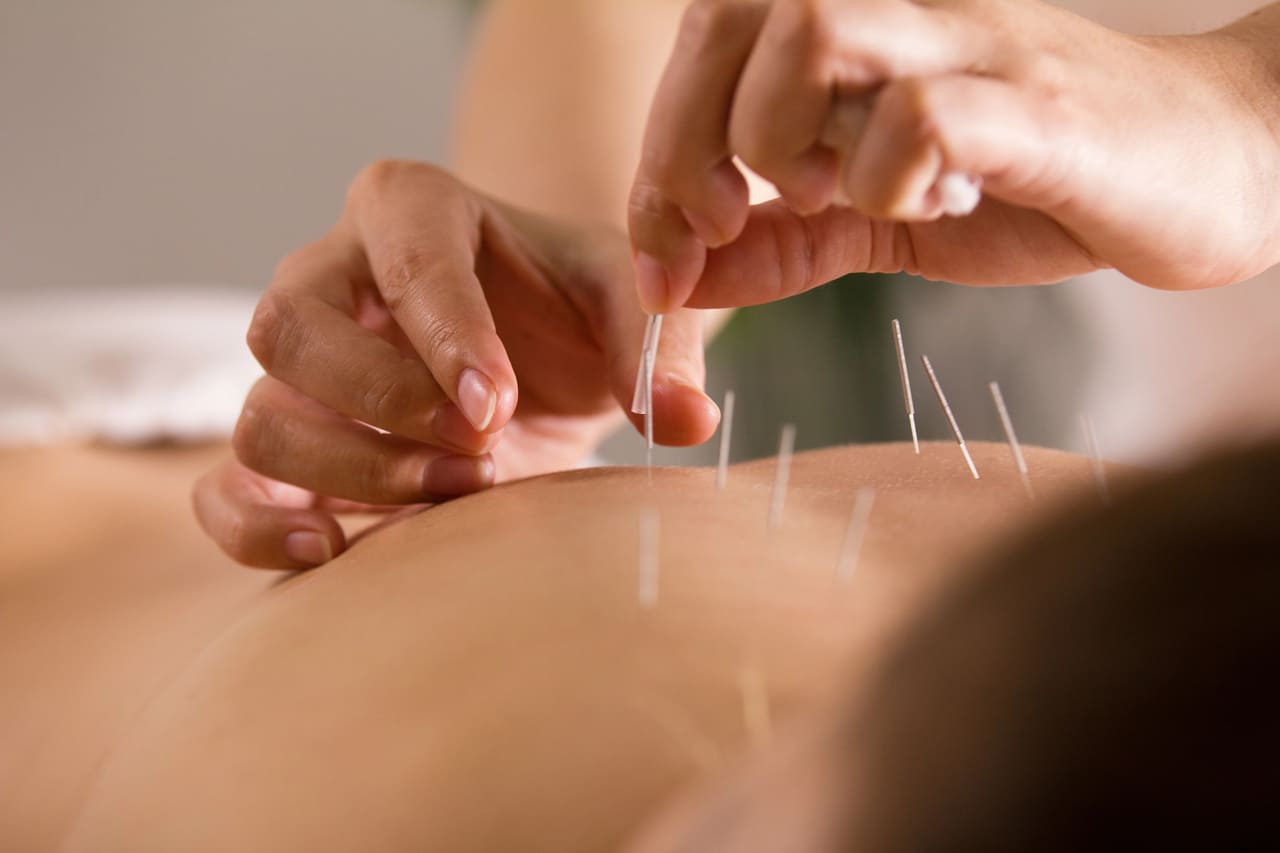
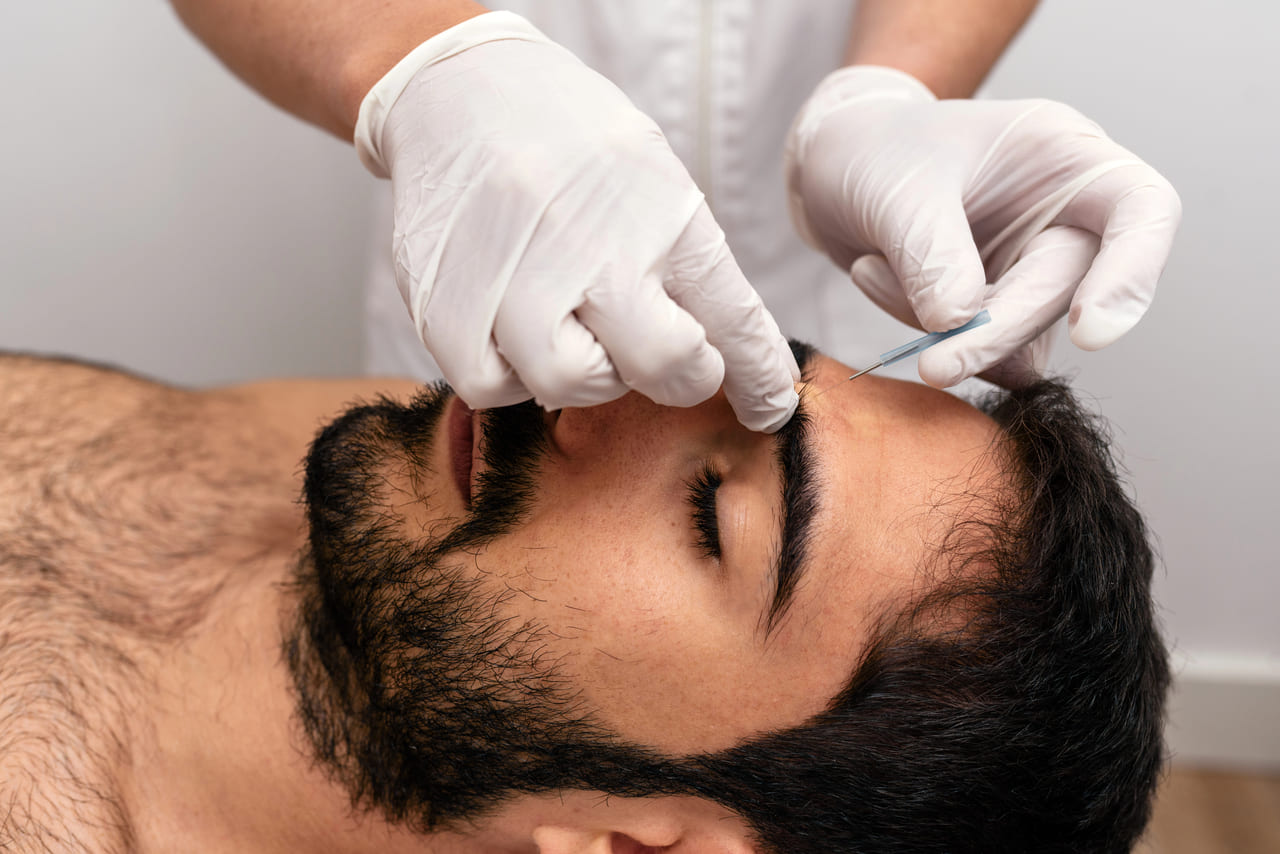
During a treatment session, you’ll lie comfortably while the acupuncturist inserts sterile, single-use needles into carefully chosen points. Most people report minimal discomfort. Sessions typically last 20 to 40 minutes depending on your condition and response to treatment. The number of sessions varies based on the nature and severity of your injury.
Licensed acupuncturists in Burnaby provide care that is professional, grounded in safety protocols, and centered on your experience. We create a calm, supportive environment so you feel informed, heard, and in control throughout the process.
Insights into Acupuncture Effectiveness from Research
Acupuncture is being studied extensively in clinical settings, including among active and older adult populations. A meta-analysis published by the National Institutes of Health found evidence supporting acupuncture’s role in reducing pain associated with osteoarthritis and tension-type headaches. These findings suggest that nervous system modulation and improved blood flow from acupuncture may contribute to pain relief and recovery.
At the same time, researchers emphasize that acupuncture works best when part of a broader, evidence-based treatment strategy. It’s not a replacement for physical therapy, but a complementary therapy that may help lower pain levels, support nervous system regulation, and make it easier to move and strengthen the body.
Common Concerns and Addressing Misconceptions about Acupuncture
We often hear a few common questions from people who are new to acupuncture:
| Concern | Response |
| Is acupuncture painful? | Most people feel a light tingling or dull ache during needle insertion, but discomfort is minimal and generally short-lived. |
| Is it safe? | When performed by a licensed practitioner, acupuncture is considered safe with a low risk of side effects. |
| How many sessions will I need? | That depends on your condition and response to treatment. Your practitioner will create a plan that fits your goals and stage of recovery. |
People sometimes assume acupuncture is unscientific or based only on belief. But acupuncture is supported by clinical research and used in respected institutions, including the U.S. Department of Veterans Affairs, which integrates acupuncture into care for chronic pain and injury recovery.
Thinking About Acupuncture As Part of Your Recovery?
If you’re exploring acupuncture for musculoskeletal injuries in Burnaby, you’re not alone. Many individuals find that integrating acupuncture into their recovery supports both comfort and function.
At Burnaby Heights Physio, we guide you through every step with expert care, thorough assessment, and attention to your individual goals. Whether you’re recovering from a sports strain, dealing with joint pain, or addressing a long-standing issue, our team is here to support you with therapies that are clear, calm, and patient-centered.
Contact us to learn whether acupuncture could support your healing process. We’re here to help you feel better, move better, and restore confidence in your body.
Frequently Asked Questions
Is acupuncture a suitable option for all types of musculoskeletal injuries?
Acupuncture can support many types of musculoskeletal conditions, particularly those involving soft tissue pain or inflammation. However, it’s not used on its own for acute injuries like fractures or dislocations. A thorough assessment helps determine whether it’s appropriate for your specific situation.
How does acupuncture work to support pain relief and recovery?
Acupuncture stimulates nerves, muscles, and connective tissue. It encourages your body to release natural chemicals that reduce pain and improve blood flow. This can help muscle tightness, joint stiffness, and general discomfort ease over time as part of an integrative recovery plan.
Can acupuncture be combined with other treatments like physiotherapy?
Yes. Many people benefit from combining acupuncture with physiotherapy and other active recovery tools. These therapies work in different ways and can complement each other to improve both symptom relief and functional outcomes. Learn more in our guide on the benefits of acupuncture for recovery.